Agri-Food Exports Get a Boost Under the New Pan-Euro-Med Agreement - Handbook
Overview: The Pan-Euro-Mediterranean (Pan-Euro-Med) agreement is reshaping regional trade by harmonizing rules of origin across Europe and the Mediterranean. This newsletter explores what the Pan-Euro-Med agreement entails, its diagonal cumulation system, and the new 2025 rules that were recently introduced. We also examine the strategic advantages for non-EU members – with a spotlight on Egypt – and how Egypt’s agricultural and processed food sectors can capitalize on enhanced preferential access to the EU market. Recent trade statistics and an opportunity assessment illustrate the potential gains for Egypt under the updated framework.
Flags of members of the Pan-Euro-Mediterranean cumulation zone

What is the Pan-Euro-Med Agreement?
Figure: Flags of members of the Pan-Euro-Mediterranean cumulation zone, including the EU-27 and 24 partner countries from EFTA, North Africa, the Middle East, and Eastern Europe. The Pan-Euro-Med Convention establishes common rules of origin among these economies to facilitate preferential trade via cumulation. Egypt is one of the key non-EU members benefitting from this expansive regional trade network.
The Pan-Euro-Mediterranean agreement refers to a network of free trade agreements united by a common rules of origin framework known as the Pan-Euro-Mediterranean Convention. It encompasses the European Union (EU) and a broad zone of neighboring economies in Europe, North Africa, and the Middle East. Members of the Pan-Euro-Med system include the EU’s 27 countries together with 24 non-EU partners – notably the four EFTA states (Norway, Switzerland, Iceland, Liechtenstein), the Faroe Islands, Türkiye, and countries participating in the Barcelona Process such as Morocco, Algeria, Tunisia, Egypt, Israel, Jordan, Lebanon, Palestine, and Syria, as well as Western Balkan states (Albania, Bosnia & Herzegovina, North Macedonia, Montenegro, Serbia, Kosovo) and Eastern European partners Georgia, Moldova, and Ukraine. This expansive list of members reflects a Pan-European and Mediterranean cumulation zone aimed at integrating supply chains across the region.
Established via a regional convention in 2012, the Pan-Euro-Med system’s main purpose is to harmonize rules of origin among all member countries and allow a mechanism called diagonal cumulation. In practice, this means that a product manufactured using inputs from several Pan-Euro-Med countries can still qualify as “originating” and thus receive preferential tariff treatment when exported within the zone. The arrangement effectively knits together the numerous bilateral trade agreements between these members under one umbrella of common origin rules, making it easier for goods to move tariff-free or at reduced tariffs throughout Europe and the Mediterranean region. For example, an Egyptian company could incorporate raw materials from, say, Turkey or Albania into its product, and as long as all parties have the relevant free trade agreements in place, the final product can enter the EU market tariff-free under the Pan-Euro-Med rules.
Diagonal Cumulation and the 2025 Rules of Origin Update

Diagonal Cumulation and the 2025 Rules of Origin Update
Under diagonal cumulation, materials or components from any Pan-Euro-Med member country are treated as originating content when exported to another member, provided that all the countries involved (the origin of the inputs, the country of final processing, and the destination country) have free trade agreements with identical origin protocols between each other. In simpler terms, if Egypt, the EU, and Turkey are all part of the Pan-Euro-Med network and have the appropriate agreements in force, an Egyptian exporter can use Turkish inputs and still have their product qualify as Egyptian origin when shipping to the EU. This diagonal cumulation system greatly expands sourcing flexibility beyond the traditional bilateral scope.
New 2025 Rules: After years of negotiations, the Pan-Euro-Med Joint Committee adopted a modernized set of rules of origin in December 2023, which took effect on 1 January 2025. These revised rules introduce several important improvements to reflect modern trade realities. Key updates in the 2025 rules of origin include:
- Higher Tolerance Threshold: Manufacturers can use up to 15% non-originating materials (in value or weight, depending on the product) instead of the previous 10% without losing origin status. This increase in the tolerance for foreign inputs gives producers more leeway in sourcing ingredients or components from outside the region when needed.
- Full Cumulation: The new rules allow full cumulation, meaning processing activities can be split across multiple Pan-Euro-Med countries and still count toward the final product’s origin. A processing step done in Jordan, for example, can be cumulated with further processing in Egypt to help meet the origin criteria for EU import – encouraging greater regional supply chain integration.
- Simplified Product-Specific Rules: Many product-specific origin requirements have been simplified or made more flexible. Cumulative requirements that previously required multiple manufacturing steps in one country have been eliminated in some cases, and thresholds for local value-added have become more accommodating. (Notably, in the textile sector the rule changed from requiring yarn-to-fabric-to-garment transformation to a more lenient “double transformation” rule, though textiles are outside our agriculture focus.)
- Duty Drawback Reinstated: The revised regime allows duty drawback for most products. This means Egyptian exporters can be refunded import duties on non-originating inputs used in production and still have their final good qualify for preferential export – a practice that was restricted under the old rules. Restoring duty drawback enhances competitiveness by lowering input costs for exporters.
- Digital and Administrative Upgrades: The Joint Committee’s decision also paves the way for electronic origin certification and streamlined customs procedures, which will simplify documentation for companies trading under Pan-Euro-Med preferences.
Crucially, the Pan-Euro-Med members recognized that not all countries would immediately adopt or ratify the new rules at the same time. To ensure continuity, transitional provisions have been put in place. According to the EU Official Journal notice, there is a transition period until 31 December 2025 during which both the old 2012 rules and the new 2023/2025 rules can be applied in parallel across the zone. During this phase, exporters may choose whichever set of rules best suits their supply chain for a given trade. From 1 January 2026 onward, only the revised rules will apply universally in the Pan-Euro-Med area.
To make the transition smoother, a principle of “permeability” was introduced in late 2024. This allows cumulation between manufacturers using old rules and those using new rules under certain conditions. In practice, an exporter using the new 2025 rules can still cumulate inputs from a supplier who certifies origin under the old rules, without losing preferential status. This permeability covers most industrial goods and even some agricultural goods (notably basic agricultural commodities and certain fishery products). The aim is to avoid disruptions in supply chains while everyone migrates to the new system. Exporters using the revised rules simply need to mark their proofs of origin with “REVISED RULES” for transparency during this interim period.
Overall, the 2025 rule update is a significant boost for regional trade. It makes it easier for businesses in Pan-Euro-Med countries to qualify for preferential (mostly duty-free) access to the EU market, by accommodating more diverse inputs and production processes. This is particularly beneficial for non-EU member countries in the network, which can now integrate more deeply into European value chains. Below, we discuss what this means from the perspective of those non-EU countries, especially Egypt.

Strategic Advantages for Non-EU Partners under Pan-Euro-Med
For the non-EU member countries in the Pan-Euro-Med zone, the agreement offers a strategic bridge to the vast EU market. The European Union is one of the largest import markets in the world, so the ability to export under preferential tariffs (often zero customs duty) gives Pan-Euro-Med partners a major competitive edge. The diagonal cumulation system is at the heart of these advantages: it encourages countries to source and cooperate regionally. Inputs sourced from any member of the zone count as local content, which means an exporter isn’t limited to domestic raw materials to meet the EU’s origin requirements. This fosters regional supply chain integration – for instance, a food processor in Egypt can buy tomato paste from Turkey or packaging from Italy, and as long as the end product is exported under Pan-Euro-Med rules, it retains duty-free status in Europe.
By harmonizing origin rules across 25 economies, Pan-Euro-Med also reduces the “spaghetti bowl” complexity of overlapping trade agreements. Instead of each bilateral deal having different origin criteria, there is a common rulebook. This consistency lowers compliance costs for companies and makes it simpler to operate across multiple markets. Smaller and medium-sized enterprises (SMEs) in countries like Egypt stand to benefit, since they often lack large compliance teams – a single set of rules opens access to multiple countries with one certificate of origin. Moreover, the new 2025 revisions (full cumulation, higher tolerances, etc.) mean more products will qualify for preferences than before, and at a lower cost.
Another advantage for non-EU members is the potential to attract foreign investment into export-oriented industries. Investors from the EU (or other countries) might set up manufacturing in Egypt to take advantage of Pan-Euro-Med cumulation – for example, using Egypt as a base to process materials from Africa or Asia and then export to Europe under preferential rates. With the updated rules permitting duty drawback and relaxed content rules, the cost efficiency of manufacturing in a partner country like Egypt improves, making it more appealing for joint ventures and factories aiming at the EU market. In essence, Pan-Euro-Med can help non-EU countries become regional export hubs, leveraging their trade agreements network.
Finally, it’s important to note the timing: the introduction of modernized rules comes as many countries (Egypt included) are seeking to boost their exports aggressively. Egypt’s government, for instance, has announced ambitions to grow annual exports to $100 billion in coming years as part of its economic strategy. Utilizing agreements like Pan-Euro-Med is central to such goals – they provide the market access foundation upon which export growth strategies can be built. Next, we turn to how specifically Egypt can capitalize, focusing on two sectors where it has strong potential: agriculture and processed foods.
Agriculture is a cornerstone of Egypt’s economy and one of its export strength areas

Opportunities for Egypt’s Agricultural Sector
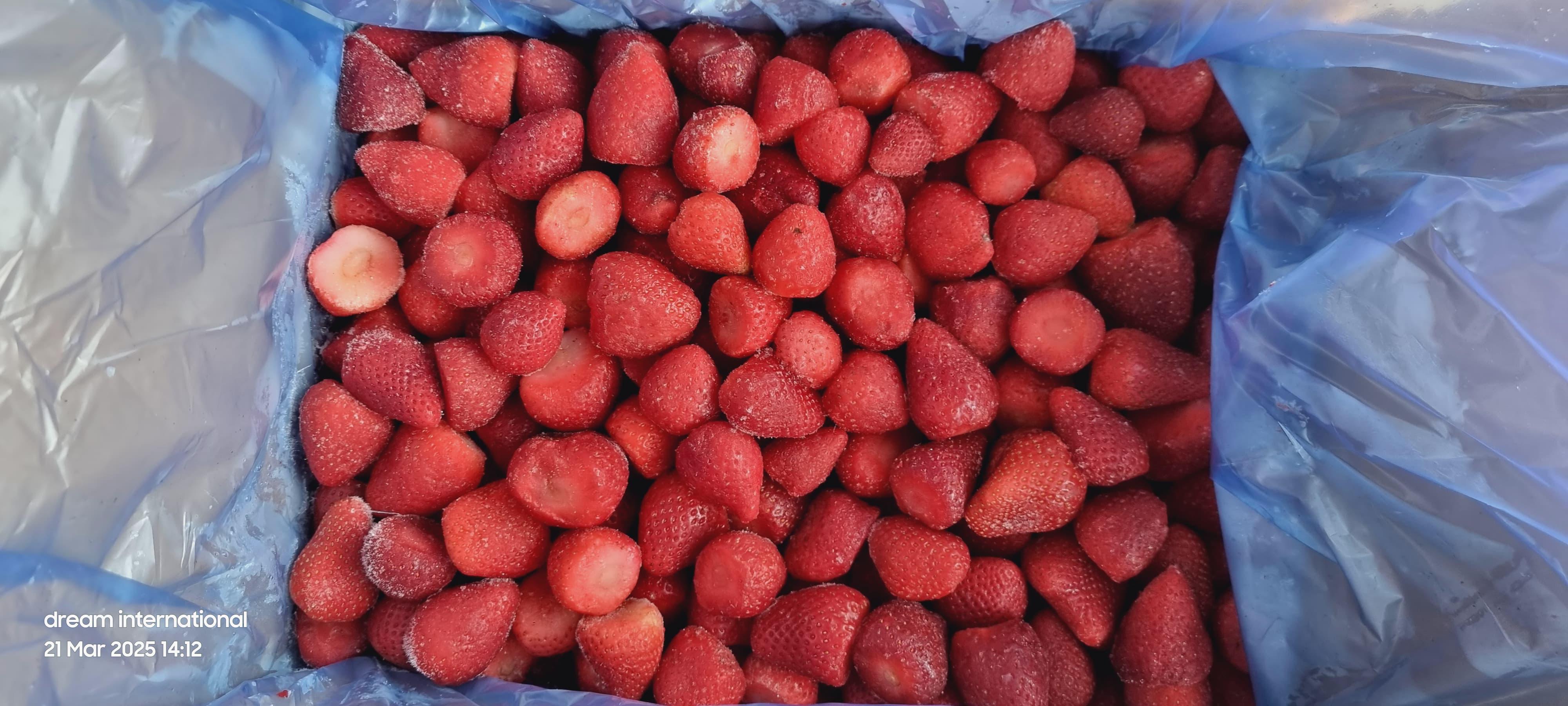
Agriculture is a cornerstone of Egypt’s economy and one of its export strength areas. In 2023, Egypt’s agricultural exports hit a record high, with 7.5 million tons of agri-food products exported (up from 6 million tons in 2022). In value terms this was about US $8.8 billion in export revenue for 2023. Notably, Egypt is a world-leading exporter of citrus: oranges and strawberries alone contributed around 42% of those revenues (~$3.7 billion). Europe is a key market for Egyptian produce – for example, the EU imported 463,000 tons of Egyptian oranges in 2023 (worth about $288 million), making Egypt one of the EU’s top outside suppliers of fresh oranges (second only to South Africa in recent seasons). Other Egyptian fruits and vegetables such as grapes, potatoes, onions, and medicinal herbs also have established footholds in European markets.
Under the EU-Egypt Association Agreement (which falls under the Pan-Euro-Med framework), many Egyptian agricultural products already enjoy preferential access to the EU – often duty-free within quotas or during specific seasons. The new Pan-Euro-Med rules solidify and potentially expand these opportunities by easing the origin constraints. Most raw agricultural goods (being wholly obtained in Egypt) easily qualify as Egyptian origin, but the updated rules can help in cases where inputs are involved – for instance, certain fertilizers, seeds, or treatments from regional suppliers could be used without jeopardizing origin status due to higher tolerance levels for non-local inputs. More significantly, if an agricultural product undergoes processing in another Pan-Euro-Med country before final export, the full cumulation provision means Egypt can still be credited with the origin. For example, Egyptian grown olives could be sent to Tunisia for pressing into oil and then exported to the EU as Tunisian/Egyptian origin under cumulation, allowing both countries to share in the value chain.
The strategic timing of these new rules is favorable. The EU’s demand for a diverse array of agricultural produce is growing, partly due to seasonal needs and climatic limitations in Europe. The EU imports over €160 billion in agri-food products annually, and it relies on external suppliers for many off-season or tropical items. While Europe produces plenty of produce itself, it cannot meet year-round demand for things like citrus in winter or specific crops not suited to its climate. Egypt’s geographic and climatic advantages (year-round sun, multiple growing seasons) position it as a natural supplier to Europe for fresh produce during shoulder seasons and winter months. Egyptian exporters are already capitalizing on this – for instance, during early 2023, EU citrus imports surged and Egypt was a major contributor to filling Europe’s orange supply gap. With simpler Pan-Euro-Med procedures, Egyptian farmers and exporters can more readily certify origin and ensure their fruits and vegetables enter the EU under the lowest possible tariff rates.
Additionally, the new rules encourage value addition at origin. Rather than exporting raw commodities, Egypt can do more processing or packaging of agricultural goods at home (or in partnership with neighbors) and still export them under the preferential terms. This could mean increasing exports of semi-processed agricultural products – for example, sorted and packed fresh produce, or lightly processed items like peeled/chopped vegetables – all of which can now more easily meet origin rules. Such moves up the value chain would allow Egypt to capture more revenue per ton of output and create jobs in handling and processing, while still enjoying the tariff advantages into Europe.
In short, Egypt’s agricultural sector, already on a growth trajectory (exports grew 25% by volume in 2023), stands to gain further momentum. The Pan-Euro-Med agreement’s framework ensures that Egyptian produce remains competitive in EU markets against other global suppliers. By leveraging the diagonal cumulation system and the relaxed origin criteria, Egypt can diversify its agricultural export basket and enter new EU market segments with minimal tariff barriers. Recent data shows Egypt has successfully opened 93 new export markets for its farm products over the past decade – easier access to the EU under Pan-Euro-Med will help continue this expansion.
Opportunities for Egypt’s Processed Food Sector

Opportunities for Egypt’s Processed Food Sector
Perhaps the biggest winner from the Pan-Euro-Med modernization is Egypt’s processed food industry, which has been experiencing robust growth. In 2024, Egypt’s exports of processed foods (everything from canned vegetables and juices to confectionery and food preparations) hit a record high of USD 6.1 billion, marking a 21% year-on-year increase. This caps a decade of steady expansion – between 2014 and 2024, Egypt exported over $41 billion in processed foods cumulatively. The Food Export Council of Egypt attributed the 2024 surge to a significant expansion in export markets and the growing competitiveness of Egyptian food products globally.
The European Union is the second-largest regional importer of Egypt’s processed foods, after the Arab countries. In 2024, Egyptian food manufacturers exported about $1.17 billion worth of processed food products to the EU, which represented 19% of Egypt’s total processed food exports (and this share is rising, with exports to the EU up 32% in 2024). Within the EU, the Netherlands stood out – Egyptian food exports to the Netherlands more than doubled to $259 million in 2024, illustrating the growing European demand. Other EU countries like Germany, France, and Italy are also key destinations for products such as Egyptian frozen strawberries, fruit juices, sauces, and confectionery. The EU market demand for processed fruit and vegetables is immense: Europe accounts for roughly 47% of global imports of processed fruit and veg, valued at around €44 billion in 2023. And importantly, about 75% of Europe’s processed fruit and veg imports from outside Europe come from developing countries – a category in which Egypt squarely fits. This highlights a huge opportunity: Europe is an attractive high-value market that is already importing billions of euros of products that Egyptian companies can supply.
Under Pan-Euro-Med, preferential EU access for Egypt’s processed foods translates to very low or zero import duties on items that meet the origin criteria of the Egypt-EU agreement. However, processed foods typically have complex recipes and often require ingredients not locally available in sufficient quantity or quality. This is where the 2025 Pan-Euro-Med rule changes make a profound difference. Key benefits for processed food exporters in Egypt include:
- Greater Flexibility in Sourcing Ingredients: With the tolerance for non-originating ingredients now at 15%, Egyptian food processors can incorporate a larger share of ingredients (by value) from outside the Pan-Euro-Med zone without forfeiting origin. For instance, a jam or juice manufacturer in Egypt could use more imported sugar or flavoring (if needed) and still qualify for duty-free export, as long as those inputs stay within the 15% threshold. This is very useful for products where certain additives or specialty ingredients might only be available from global markets.
- Regional Ingredient Cumulation: Diagonal cumulation means inputs from any Pan-Euro-Med partner are treated as local. An Egyptian cookie factory could source raisins from Turkey, olive oil from Tunisia, or dairy powder from Ukraine (all Pan-Euro-Med members) and have those count as “originating” ingredients. This encourages Egyptian businesses to tap into regional suppliers for quality inputs, knowing that the entire product will still get preferential treatment in the EU. It effectively widens the supply base while keeping the “Made in Egypt” preferential stamp on the final goods.
- Full Cumulation – Shared Production: Egypt can also partner with neighboring countries in the processing chain. Suppose Egypt has a strength in growing a crop (e.g. tomatoes) and a neighbor like Jordan has a facility to further process it (e.g. tomato paste), the full cumulation rule allows the two countries to share production stages. The final canned tomato sauce exported to the EU could count the Jordanian processing and the Egyptian raw material together as meeting the origin requirements. This was harder under the old rules. The transitional arrangements even allow such cumulation when one part of the chain still uses old origin rules, thanks to the new permeability provisions. Such regional collaboration can lead to more efficient production and specialization among Pan-Euro-Med countries, with Egypt as a key player in agro-processing.
- Cost Savings via Duty Drawback: Many food processors in Egypt rely on some imported inputs (e.g. machinery, certain vitamins, or packaging materials). Previously, if they wanted their product to qualify for EU preferences, they often couldn’t claim duty drawback on those imported inputs (as old rules usually prohibited refunding import duties for materials used in preferential exports). Under the revised rules, most products now allow duty drawback. This means an Egyptian exporter can import a needed input, get a refund of Egyptian import tariff on it, and still enjoy zero EU tariff on the output. This double benefit reduces the overall cost structure, making Egyptian processed foods more price-competitive in Europe.
- Streamlined Compliance: The shift toward electronic certification and a single set of rules across all buyers simplifies logistics. An Egyptian food exporter can more easily navigate paperwork knowing that the same origin document can satisfy customs whether the shipment goes to Italy or to any other Pan-Euro-Med destination. This reliability and ease of doing business can particularly help sectors like processed foods where firms often ship to multiple countries and need quick turnaround.
Overall, Egypt’s processed food sector is well-poised to leverage the Pan-Euro-Med advantages. The country has a diverse food processing industry – from concentrates and syrups to frozen vegetables and ready-to-eat snacks – and a sizable domestic agricultural base to supply it. The European market offers Egypt not only scale but also value: European import prices for many processed foods are significantly higher than in other regions, meaning Egyptian exporters can potentially earn more per unit sold in the EU. For example, Europe’s import price for certain dried fruits or nuts can be 15–30% higher than prices in Asian markets, a premium that incentivizes targeting the EU consumer. By meeting EU standards and utilizing Pan-Euro-Med preferences, Egyptian companies can increase their market share in Europe’s $158+ billion/year agri-food import market. The trends are already positive – in the first quarter of 2024, Egypt’s food exports to the EU were up sharply (the EU accounted for 21% of Egypt’s food exports that quarter). With the new rules reducing barriers, this growth is likely to continue.
Outlook: Capitalizing on Pan-Euro-Med for Growth
The Pan-Euro-Med agreement’s updated rules in 2025 come at an opportune moment for Egypt. They align with Egypt’s national drive to boost non-oil exports and integrate further into global value chains. By embracing the new diagonal cumulation rules and transitional flexibilities, Egyptian exporters can maximize their use of the trade preferences already in place with the EU and other regional partners. The agriculture and processed food sectors, in particular, have much to gain due to their heavy reliance on raw materials and multi-stage value addition – exactly the areas that the revised rules of origin seek to liberalize and simplify.
Early trade indicators are encouraging. Egyptian agricultural exports are reaching new highs, and European buyers are demonstrating growing appetite for Egypt’s produce and food products. European importers, for their part, may find Egypt an even more attractive sourcing base now, given the simpler origin logistics and the possibility for Egypt to incorporate high-quality inputs from across the Euro-Med region. This could mean new export contracts, investment in food processing facilities, and joint ventures that take advantage of Pan-Euro-Med cumulation (for instance, an EU company might invest in Egypt to process regional raw materials and supply the European market efficiently).
In summary, the Pan-Euro-Med agreement – bolstered by the 2025 rules and transitional arrangements – is a powerful tool for non-EU members like Egypt. It provides not just preferential access to the EU’s enormous market, but also the framework for deeper regional economic cooperation. For Egypt’s agro-food producers, it opens up pathways to expand their footprint in Europe by building on the country’s comparative advantages (such as year-round agriculture and competitive labor in food processing) while mitigating past hurdles related to rules of origin. The strategic task at hand for Egyptian businesses and policymakers is to fully capitalize on this opportunity: by spreading awareness of the new rules, investing in compliance and certification capabilities, and forging supply chain links across the Pan-Euro-Med zone. If done successfully, Egypt could significantly increase its agricultural and food exports to the EU in the coming years, translating trade policy into tangible economic gains. The stage is set for a win-win: Egypt moves closer to its export growth ambitions, while EU consumers enjoy a greater variety of Egyptian fruits, vegetables, and food products at competitive prices – all under the favorable umbrella of Pan-Euro-Med cooperation.
Best RegardsOverview: The Pan-Euro-Mediterranean (Pan-Euro-Med) agreement is reshaping regional trade by harmonizing rules of origin across Europe and the Mediterranean. This newsletter explores what the Pan-Euro-Med agreement entails, its diagonal cumulation system, and the new 2025 rules that were recently introduced. We also examine the strategic advantages for non-EU members – with a spotlight on Egypt – and how Egypt’s agricultural and processed food sectors can capitalize on enhanced preferential access to the EU market. Recent trade statistics and an opportunity assessment illustrate the potential gains for Egypt under the updated framework.
Flags of members of the Pan-Euro-Mediterranean cumulation zone
What is the Pan-Euro-Med Agreement?
Figure: Flags of members of the Pan-Euro-Mediterranean cumulation zone, including the EU-27 and 24 partner countries from EFTA, North Africa, the Middle East, and Eastern Europe. The Pan-Euro-Med Convention establishes common rules of origin among these economies to facilitate preferential trade via cumulation. Egypt is one of the key non-EU members benefitting from this expansive regional trade network.
The Pan-Euro-Mediterranean agreement refers to a network of free trade agreements united by a common rules of origin framework known as the Pan-Euro-Mediterranean Convention. It encompasses the European Union (EU) and a broad zone of neighboring economies in Europe, North Africa, and the Middle East. Members of the Pan-Euro-Med system include the EU’s 27 countries together with 24 non-EU partners – notably the four EFTA states (Norway, Switzerland, Iceland, Liechtenstein), the Faroe Islands, Türkiye, and countries participating in the Barcelona Process such as Morocco, Algeria, Tunisia, Egypt, Israel, Jordan, Lebanon, Palestine, and Syria, as well as Western Balkan states (Albania, Bosnia & Herzegovina, North Macedonia, Montenegro, Serbia, Kosovo) and Eastern European partners Georgia, Moldova, and Ukraine. This expansive list of members reflects a Pan-European and Mediterranean cumulation zone aimed at integrating supply chains across the region.
Established via a regional convention in 2012, the Pan-Euro-Med system’s main purpose is to harmonize rules of origin among all member countries and allow a mechanism called diagonal cumulation. In practice, this means that a product manufactured using inputs from several Pan-Euro-Med countries can still qualify as “originating” and thus receive preferential tariff treatment when exported within the zone. The arrangement effectively knits together the numerous bilateral trade agreements between these members under one umbrella of common origin rules, making it easier for goods to move tariff-free or at reduced tariffs throughout Europe and the Mediterranean region. For example, an Egyptian company could incorporate raw materials from, say, Turkey or Albania into its product, and as long as all parties have the relevant free trade agreements in place, the final product can enter the EU market tariff-free under the Pan-Euro-Med rules.
Diagonal Cumulation and the 2025 Rules of Origin Update
Diagonal Cumulation and the 2025 Rules of Origin Update
Under diagonal cumulation, materials or components from any Pan-Euro-Med member country are treated as originating content when exported to another member, provided that all the countries involved (the origin of the inputs, the country of final processing, and the destination country) have free trade agreements with identical origin protocols between each other. In simpler terms, if Egypt, the EU, and Turkey are all part of the Pan-Euro-Med network and have the appropriate agreements in force, an Egyptian exporter can use Turkish inputs and still have their product qualify as Egyptian origin when shipping to the EU. This diagonal cumulation system greatly expands sourcing flexibility beyond the traditional bilateral scope.
New 2025 Rules: After years of negotiations, the Pan-Euro-Med Joint Committee adopted a modernized set of rules of origin in December 2023, which took effect on 1 January 2025. These revised rules introduce several important improvements to reflect modern trade realities. Key updates in the 2025 rules of origin include:
- Higher Tolerance Threshold: Manufacturers can use up to 15% non-originating materials (in value or weight, depending on the product) instead of the previous 10% without losing origin status. This increase in the tolerance for foreign inputs gives producers more leeway in sourcing ingredients or components from outside the region when needed.
- Full Cumulation: The new rules allow full cumulation, meaning processing activities can be split across multiple Pan-Euro-Med countries and still count toward the final product’s origin. A processing step done in Jordan, for example, can be cumulated with further processing in Egypt to help meet the origin criteria for EU import – encouraging greater regional supply chain integration.
- Simplified Product-Specific Rules: Many product-specific origin requirements have been simplified or made more flexible. Cumulative requirements that previously required multiple manufacturing steps in one country have been eliminated in some cases, and thresholds for local value-added have become more accommodating. (Notably, in the textile sector the rule changed from requiring yarn-to-fabric-to-garment transformation to a more lenient “double transformation” rule, though textiles are outside our agriculture focus.)
- Duty Drawback Reinstated: The revised regime allows duty drawback for most products. This means Egyptian exporters can be refunded import duties on non-originating inputs used in production and still have their final good qualify for preferential export – a practice that was restricted under the old rules. Restoring duty drawback enhances competitiveness by lowering input costs for exporters.
- Digital and Administrative Upgrades: The Joint Committee’s decision also paves the way for electronic origin certification and streamlined customs procedures, which will simplify documentation for companies trading under Pan-Euro-Med preferences.
Crucially, the Pan-Euro-Med members recognized that not all countries would immediately adopt or ratify the new rules at the same time. To ensure continuity, transitional provisions have been put in place. According to the EU Official Journal notice, there is a transition period until 31 December 2025 during which both the old 2012 rules and the new 2023/2025 rules can be applied in parallel across the zone. During this phase, exporters may choose whichever set of rules best suits their supply chain for a given trade. From 1 January 2026 onward, only the revised rules will apply universally in the Pan-Euro-Med area.
To make the transition smoother, a principle of “permeability” was introduced in late 2024. This allows cumulation between manufacturers using old rules and those using new rules under certain conditions. In practice, an exporter using the new 2025 rules can still cumulate inputs from a supplier who certifies origin under the old rules, without losing preferential status. This permeability covers most industrial goods and even some agricultural goods (notably basic agricultural commodities and certain fishery products). The aim is to avoid disruptions in supply chains while everyone migrates to the new system. Exporters using the revised rules simply need to mark their proofs of origin with “REVISED RULES” for transparency during this interim period.
Overall, the 2025 rule update is a significant boost for regional trade. It makes it easier for businesses in Pan-Euro-Med countries to qualify for preferential (mostly duty-free) access to the EU market, by accommodating more diverse inputs and production processes. This is particularly beneficial for non-EU member countries in the network, which can now integrate more deeply into European value chains. Below, we discuss what this means from the perspective of those non-EU countries, especially Egypt.
Strategic Advantages for Non-EU Partners under Pan-Euro-Med
For the non-EU member countries in the Pan-Euro-Med zone, the agreement offers a strategic bridge to the vast EU market. The European Union is one of the largest import markets in the world, so the ability to export under preferential tariffs (often zero customs duty) gives Pan-Euro-Med partners a major competitive edge. The diagonal cumulation system is at the heart of these advantages: it encourages countries to source and cooperate regionally. Inputs sourced from any member of the zone count as local content, which means an exporter isn’t limited to domestic raw materials to meet the EU’s origin requirements. This fosters regional supply chain integration – for instance, a food processor in Egypt can buy tomato paste from Turkey or packaging from Italy, and as long as the end product is exported under Pan-Euro-Med rules, it retains duty-free status in Europe.
By harmonizing origin rules across 25 economies, Pan-Euro-Med also reduces the “spaghetti bowl” complexity of overlapping trade agreements. Instead of each bilateral deal having different origin criteria, there is a common rulebook. This consistency lowers compliance costs for companies and makes it simpler to operate across multiple markets. Smaller and medium-sized enterprises (SMEs) in countries like Egypt stand to benefit, since they often lack large compliance teams – a single set of rules opens access to multiple countries with one certificate of origin. Moreover, the new 2025 revisions (full cumulation, higher tolerances, etc.) mean more products will qualify for preferences than before, and at a lower cost.
Another advantage for non-EU members is the potential to attract foreign investment into export-oriented industries. Investors from the EU (or other countries) might set up manufacturing in Egypt to take advantage of Pan-Euro-Med cumulation – for example, using Egypt as a base to process materials from Africa or Asia and then export to Europe under preferential rates. With the updated rules permitting duty drawback and relaxed content rules, the cost efficiency of manufacturing in a partner country like Egypt improves, making it more appealing for joint ventures and factories aiming at the EU market. In essence, Pan-Euro-Med can help non-EU countries become regional export hubs, leveraging their trade agreements network.
Finally, it’s important to note the timing: the introduction of modernized rules comes as many countries (Egypt included) are seeking to boost their exports aggressively. Egypt’s government, for instance, has announced ambitions to grow annual exports to $100 billion in coming years as part of its economic strategy. Utilizing agreements like Pan-Euro-Med is central to such goals – they provide the market access foundation upon which export growth strategies can be built. Next, we turn to how specifically Egypt can capitalize, focusing on two sectors where it has strong potential: agriculture and processed foods.
Agriculture is a cornerstone of Egypt’s economy and one of its export strength areas
Opportunities for Egypt’s Agricultural Sector
Agriculture is a cornerstone of Egypt’s economy and one of its export strength areas. In 2023, Egypt’s agricultural exports hit a record high, with 7.5 million tons of agri-food products exported (up from 6 million tons in 2022). In value terms this was about US $8.8 billion in export revenue for 2023. Notably, Egypt is a world-leading exporter of citrus: oranges and strawberries alone contributed around 42% of those revenues (~$3.7 billion). Europe is a key market for Egyptian produce – for example, the EU imported 463,000 tons of Egyptian oranges in 2023 (worth about $288 million), making Egypt one of the EU’s top outside suppliers of fresh oranges (second only to South Africa in recent seasons). Other Egyptian fruits and vegetables such as grapes, potatoes, onions, and medicinal herbs also have established footholds in European markets.
Under the EU-Egypt Association Agreement (which falls under the Pan-Euro-Med framework), many Egyptian agricultural products already enjoy preferential access to the EU – often duty-free within quotas or during specific seasons. The new Pan-Euro-Med rules solidify and potentially expand these opportunities by easing the origin constraints. Most raw agricultural goods (being wholly obtained in Egypt) easily qualify as Egyptian origin, but the updated rules can help in cases where inputs are involved – for instance, certain fertilizers, seeds, or treatments from regional suppliers could be used without jeopardizing origin status due to higher tolerance levels for non-local inputs. More significantly, if an agricultural product undergoes processing in another Pan-Euro-Med country before final export, the full cumulation provision means Egypt can still be credited with the origin. For example, Egyptian grown olives could be sent to Tunisia for pressing into oil and then exported to the EU as Tunisian/Egyptian origin under cumulation, allowing both countries to share in the value chain.
The strategic timing of these new rules is favorable. The EU’s demand for a diverse array of agricultural produce is growing, partly due to seasonal needs and climatic limitations in Europe. The EU imports over €160 billion in agri-food products annually, and it relies on external suppliers for many off-season or tropical items. While Europe produces plenty of produce itself, it cannot meet year-round demand for things like citrus in winter or specific crops not suited to its climate. Egypt’s geographic and climatic advantages (year-round sun, multiple growing seasons) position it as a natural supplier to Europe for fresh produce during shoulder seasons and winter months. Egyptian exporters are already capitalizing on this – for instance, during early 2023, EU citrus imports surged and Egypt was a major contributor to filling Europe’s orange supply gap. With simpler Pan-Euro-Med procedures, Egyptian farmers and exporters can more readily certify origin and ensure their fruits and vegetables enter the EU under the lowest possible tariff rates.
Additionally, the new rules encourage value addition at origin. Rather than exporting raw commodities, Egypt can do more processing or packaging of agricultural goods at home (or in partnership with neighbors) and still export them under the preferential terms. This could mean increasing exports of semi-processed agricultural products – for example, sorted and packed fresh produce, or lightly processed items like peeled/chopped vegetables – all of which can now more easily meet origin rules. Such moves up the value chain would allow Egypt to capture more revenue per ton of output and create jobs in handling and processing, while still enjoying the tariff advantages into Europe.
In short, Egypt’s agricultural sector, already on a growth trajectory (exports grew 25% by volume in 2023), stands to gain further momentum. The Pan-Euro-Med agreement’s framework ensures that Egyptian produce remains competitive in EU markets against other global suppliers. By leveraging the diagonal cumulation system and the relaxed origin criteria, Egypt can diversify its agricultural export basket and enter new EU market segments with minimal tariff barriers. Recent data shows Egypt has successfully opened 93 new export markets for its farm products over the past decade – easier access to the EU under Pan-Euro-Med will help continue this expansion.
Opportunities for Egypt’s Processed Food Sector
Opportunities for Egypt’s Processed Food Sector
Perhaps the biggest winner from the Pan-Euro-Med modernization is Egypt’s processed food industry, which has been experiencing robust growth. In 2024, Egypt’s exports of processed foods (everything from canned vegetables and juices to confectionery and food preparations) hit a record high of USD 6.1 billion, marking a 21% year-on-year increase. This caps a decade of steady expansion – between 2014 and 2024, Egypt exported over $41 billion in processed foods cumulatively. The Food Export Council of Egypt attributed the 2024 surge to a significant expansion in export markets and the growing competitiveness of Egyptian food products globally.
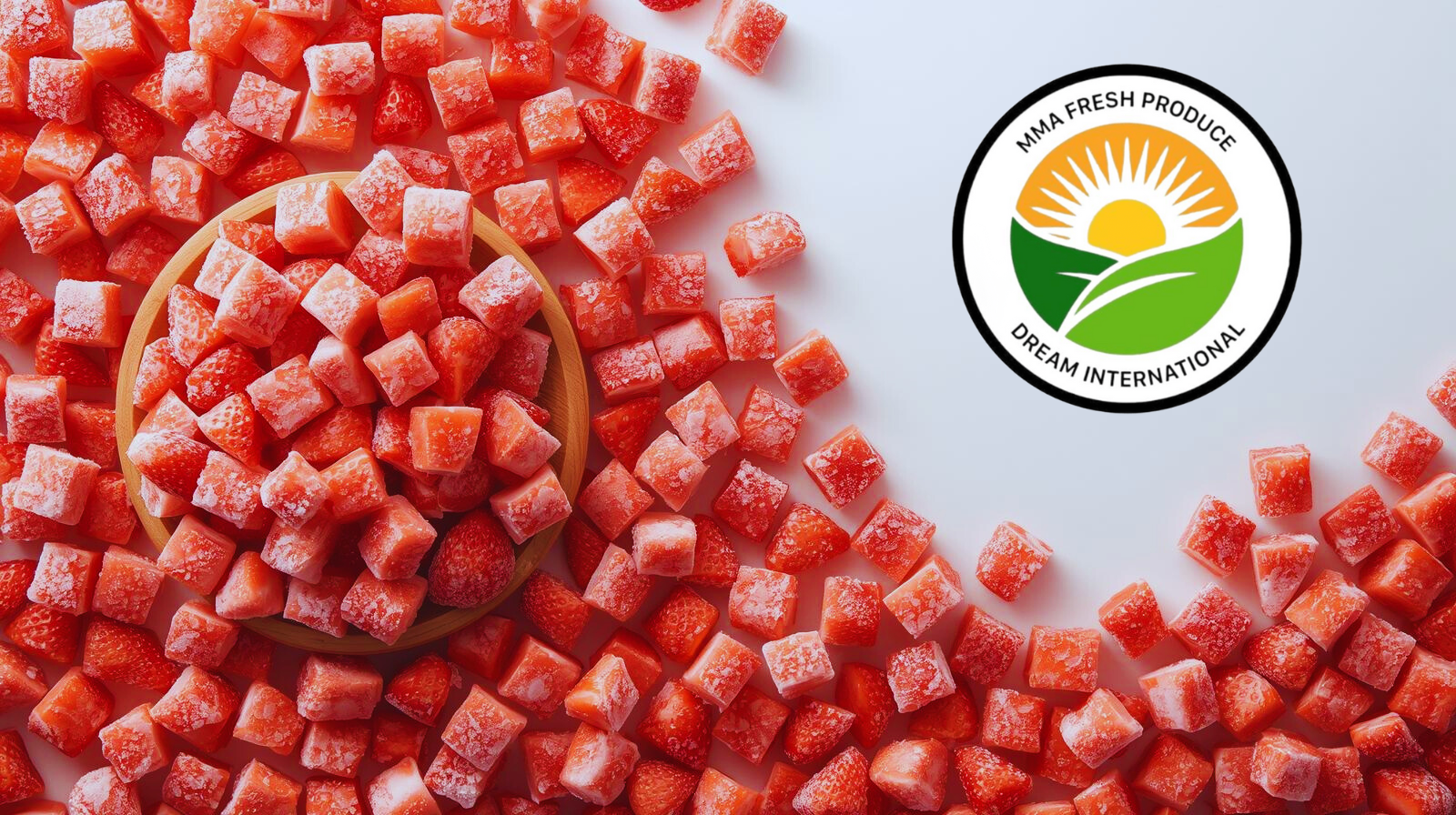
The European Union is the second-largest regional importer of Egypt’s processed foods, after the Arab countries. In 2024, Egyptian food manufacturers exported about $1.17 billion worth of processed food products to the EU, which represented 19% of Egypt’s total processed food exports (and this share is rising, with exports to the EU up 32% in 2024). Within the EU, the Netherlands stood out – Egyptian food exports to the Netherlands more than doubled to $259 million in 2024, illustrating the growing European demand. Other EU countries like Germany, France, and Italy are also key destinations for products such as Egyptian frozen strawberries, fruit juices, sauces, and confectionery. The EU market demand for processed fruit and vegetables is immense: Europe accounts for roughly 47% of global imports of processed fruit and veg, valued at around €44 billion in 2023. And importantly, about 75% of Europe’s processed fruit and veg imports from outside Europe come from developing countries – a category in which Egypt squarely fits. This highlights a huge opportunity: Europe is an attractive high-value market that is already importing billions of euros of products that Egyptian companies can supply.
Under Pan-Euro-Med, preferential EU access for Egypt’s processed foods translates to very low or zero import duties on items that meet the origin criteria of the Egypt-EU agreement. However, processed foods typically have complex recipes and often require ingredients not locally available in sufficient quantity or quality. This is where the 2025 Pan-Euro-Med rule changes make a profound difference. Key benefits for processed food exporters in Egypt include:
- Greater Flexibility in Sourcing Ingredients: With the tolerance for non-originating ingredients now at 15%, Egyptian food processors can incorporate a larger share of ingredients (by value) from outside the Pan-Euro-Med zone without forfeiting origin. For instance, a jam or juice manufacturer in Egypt could use more imported sugar or flavoring (if needed) and still qualify for duty-free export, as long as those inputs stay within the 15% threshold. This is very useful for products where certain additives or specialty ingredients might only be available from global markets.
- Regional Ingredient Cumulation: Diagonal cumulation means inputs from any Pan-Euro-Med partner are treated as local. An Egyptian cookie factory could source raisins from Turkey, olive oil from Tunisia, or dairy powder from Ukraine (all Pan-Euro-Med members) and have those count as “originating” ingredients. This encourages Egyptian businesses to tap into regional suppliers for quality inputs, knowing that the entire product will still get preferential treatment in the EU. It effectively widens the supply base while keeping the “Made in Egypt” preferential stamp on the final goods.
- Full Cumulation – Shared Production: Egypt can also partner with neighboring countries in the processing chain. Suppose Egypt has a strength in growing a crop (e.g. tomatoes) and a neighbor like Jordan has a facility to further process it (e.g. tomato paste), the full cumulation rule allows the two countries to share production stages. The final canned tomato sauce exported to the EU could count the Jordanian processing and the Egyptian raw material together as meeting the origin requirements. This was harder under the old rules. The transitional arrangements even allow such cumulation when one part of the chain still uses old origin rules, thanks to the new permeability provisions. Such regional collaboration can lead to more efficient production and specialization among Pan-Euro-Med countries, with Egypt as a key player in agro-processing.
- Cost Savings via Duty Drawback: Many food processors in Egypt rely on some imported inputs (e.g. machinery, certain vitamins, or packaging materials). Previously, if they wanted their product to qualify for EU preferences, they often couldn’t claim duty drawback on those imported inputs (as old rules usually prohibited refunding import duties for materials used in preferential exports). Under the revised rules, most products now allow duty drawback. This means an Egyptian exporter can import a needed input, get a refund of Egyptian import tariff on it, and still enjoy zero EU tariff on the output. This double benefit reduces the overall cost structure, making Egyptian processed foods more price-competitive in Europe.
- Streamlined Compliance: The shift toward electronic certification and a single set of rules across all buyers simplifies logistics. An Egyptian food exporter can more easily navigate paperwork knowing that the same origin document can satisfy customs whether the shipment goes to Italy or to any other Pan-Euro-Med destination. This reliability and ease of doing business can particularly help sectors like processed foods where firms often ship to multiple countries and need quick turnaround.
Overall, Egypt’s processed food sector is well-poised to leverage the Pan-Euro-Med advantages. The country has a diverse food processing industry – from concentrates and syrups to frozen vegetables and ready-to-eat snacks – and a sizable domestic agricultural base to supply it. The European market offers Egypt not only scale but also value: European import prices for many processed foods are significantly higher than in other regions, meaning Egyptian exporters can potentially earn more per unit sold in the EU. For example, Europe’s import price for certain dried fruits or nuts can be 15–30% higher than prices in Asian markets, a premium that incentivizes targeting the EU consumer. By meeting EU standards and utilizing Pan-Euro-Med preferences, Egyptian companies can increase their market share in Europe’s $158+ billion/year agri-food import market. The trends are already positive – in the first quarter of 2024, Egypt’s food exports to the EU were up sharply (the EU accounted for 21% of Egypt’s food exports that quarter). With the new rules reducing barriers, this growth is likely to continue.
Outlook: Capitalizing on Pan-Euro-Med for Growth
The Pan-Euro-Med agreement’s updated rules in 2025 come at an opportune moment for Egypt. They align with Egypt’s national drive to boost non-oil exports and integrate further into global value chains. By embracing the new diagonal cumulation rules and transitional flexibilities, Egyptian exporters can maximize their use of the trade preferences already in place with the EU and other regional partners. The agriculture and processed food sectors, in particular, have much to gain due to their heavy reliance on raw materials and multi-stage value addition – exactly the areas that the revised rules of origin seek to liberalize and simplify.
Early trade indicators are encouraging. Egyptian agricultural exports are reaching new highs, and European buyers are demonstrating growing appetite for Egypt’s produce and food products. European importers, for their part, may find Egypt an even more attractive sourcing base now, given the simpler origin logistics and the possibility for Egypt to incorporate high-quality inputs from across the Euro-Med region. This could mean new export contracts, investment in food processing facilities, and joint ventures that take advantage of Pan-Euro-Med cumulation (for instance, an EU company might invest in Egypt to process regional raw materials and supply the European market efficiently).
In summary, the Pan-Euro-Med agreement – bolstered by the 2025 rules and transitional arrangements – is a powerful tool for non-EU members like Egypt. It provides not just preferential access to the EU’s enormous market, but also the framework for deeper regional economic cooperation. For Egypt’s agro-food producers, it opens up pathways to expand their footprint in Europe by building on the country’s comparative advantages (such as year-round agriculture and competitive labor in food processing) while mitigating past hurdles related to rules of origin. The strategic task at hand for Egyptian businesses and policymakers is to fully capitalize on this opportunity: by spreading awareness of the new rules, investing in compliance and certification capabilities, and forging supply chain links across the Pan-Euro-Med zone. If done successfully, Egypt could significantly increase its agricultural and food exports to the EU in the coming years, translating trade policy into tangible economic gains. The stage is set for a win-win: Egypt moves closer to its export growth ambitions, while EU consumers enjoy a greater variety of Egyptian fruits, vegetables, and food products at competitive prices – all under the favorable umbrella of Pan-Euro-Med cooperation.
Best Regards