
Frozen Broccoli’s Moment: Global Supply, Challenges and 2026 Outlook
Why frozen broccoli matters in 2026
Broccoli used to be one vegetable in the freezer section. Today it sits at the intersection of convenience, health, and sustainability. Modern freezing techniques preserve nutrients, and consumers choose frozen to save time and reduce waste. Analysts valued the global frozen broccoli market at USD 2.35 billion in 2024 with a 5.1 % annual growth rate. Applying that rate suggests the market could reach around USD 2.60 billion by 2026, while total frozen broccoli trade may approach 1.2–1.3 million tons (estimated from frozen vegetable trends).
Where does frozen broccoli come from?
Top exporting hubs
- China – The world’s largest broccoli grower and the top exporter of frozen vegetables. Industry sources estimate that ~25 % of frozen broccoli exports originate here.
- Mexico – A year‑round supplier to North America; often accounts for about 15 % of global frozen broccoli exports. Its proximity to the U.S. reduces transport time.
- European hubs (Spain, Netherlands, Belgium, Poland) – Europe supplies 51.6 % of global frozen vegetable export value, with Spain and the Netherlands being key players. European processors export both bulk and private‑label products.
- United States – A major fresh broccoli producer that processes much of its crop domestically. It is also a sizeable importer of frozen vegetables.
- Egypt – An emerging supplier; investments in individual quick‑freezing facilities have increased exports.
Top importing markets
According to ReportLinker’s list of frozen‑vegetable importers, these markets buy the most (not broccoli‑specific but a good proxy):

Consumption and consumer behavior by region
North America
- Market size – The U.S. accounts for about one‑third of frozen broccoli revenue. As labor costs and labor shortages challenge domestic growers, processors import more from Mexico and China.
- Consumer use – Nielsen data show broccoli appears in 62 % of frozen‑veg purchases in the U.S. and is a key ingredient in bowls, pasta, and ready meals. Consumers value quick preparation and use frozen broccoli to meal‑prep or replace fresh when prices rise.
- Outlook to 2026 – Slightly higher domestic production but continued reliance on imports. Foodservice demand will rise as restaurants and meal companies reformulate menus around vegetables.
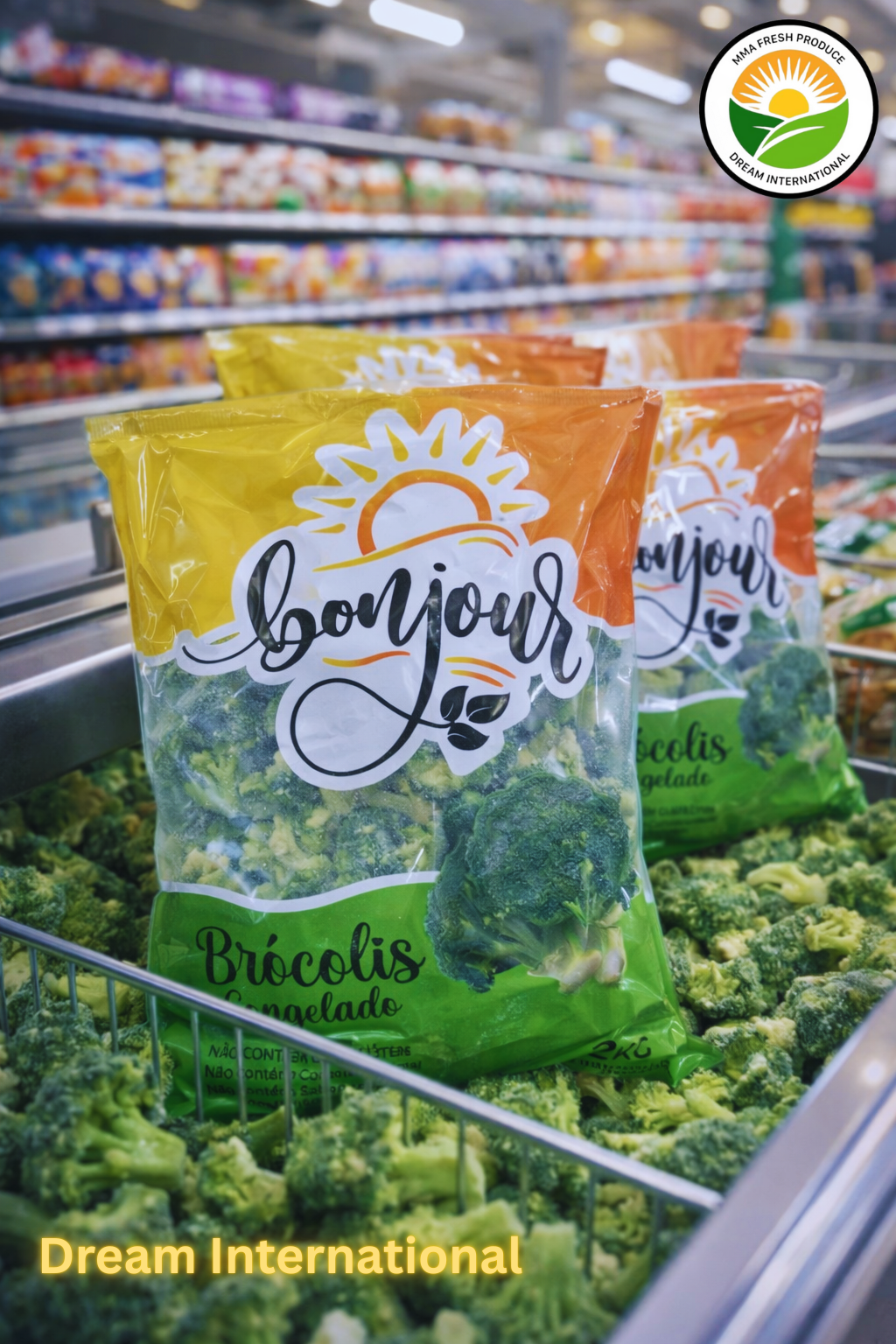
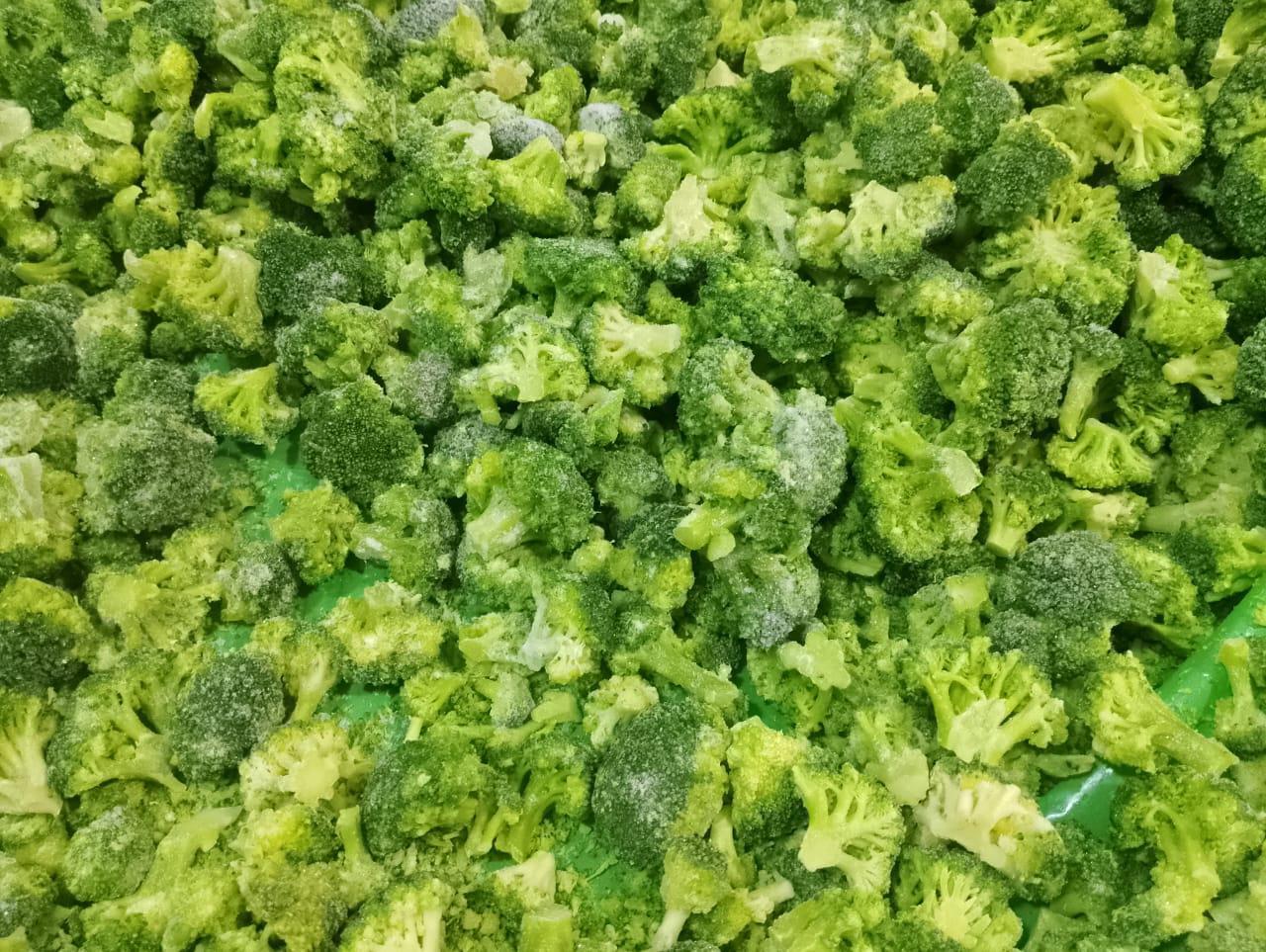
Egyptian Frozen Broccoli in Totes

Europe (Western)
- Market dynamics – Europe holds 47 % of global frozen‑vegetable imports, and growth is 1–3 % annually. Plant‑based eating, convenience and ready meals support the category.
- Consumer behavior – Surveys indicate 47 % of consumers buy frozen food to reduce waste. The UK leads, with 59 % citing waste reduction as a reason. Limited freezer space remains a barrier (27 % report insufficient space).
- Outlook to 2026 – Spain, Netherlands, Belgium and Poland remain key processors. Imports continue in Germany, France, UK and Italy. Energy costs and EU Green Deal regulations raise production costs.
Central & Eastern Europe
- Poland is a major processor and exporter. Domestic consumers are price‑sensitive and rely on discount retailers, making private‑label and bulk formats important. Volume is high but margins are thin.

Asia: Japan & South Korea
- Consumption – Japan and South Korea imported over 60 000 tons of frozen broccoli in 2023. In Japan, a survey shows people use frozen food 1.8 times per week, with 29.6 % using it two to three times weekly. Increased use is driven by convenience and price hikes of fresh vegetables.
- Market growth – Japan’s frozen food consumption reached 2.93 million tons in 2024, the largest ever, and market value was 1.3 trillion yen. Small pack sizes and high quality are crucial.
Middle East & North Africa
- Urbanization and modern retail are lifting frozen‑vegetable consumption. Egypt supplies both export‑grade and regional value lines. Price sensitivity is high in domestic markets, while foodservice (hotels, airlines, catering) demands consistent IQF florets.
Top Broccoli & Cauliflower Producers

Key challenges for producers
Climate and water stress
- Spain – Rising temperatures keep summer nights above 21 °C, causing lower yields and higher water usage. Producers import broccoli from the Netherlands to fill gaps. Water scarcity and high production costs challenge profitability.
- Mexico – Agriculture consumes 76 % of Mexico’s water and loses 40 % or more due to inefficiencies. Over‑extraction of aquifers and climate change intensify water stress, making irrigation improvements critical.
- China – Rising labor and energy costs and the need to meet strict pesticide and traceability standards for the EU and Japan increase costs.
Trade and policy uncertainty
- Tariffs – U.S. trade policies have threatened tariffs of 25–30 % on non‑USMCA‑compliant Mexican exports. Such volatility discourages investment in cross‑border supply chains.
- labor shortages – U.S. growers face high labor costs, with some crops going unharvested due to worker shortages.
Energy and logistics costs
- European processors contend with 35–50 % higher energy prices compared with pre‑pandemic levels and 20–30 % higher logistics costs. EU Green Deal regulations require investment in cold storage and sustainable packaging.
Strategic advice for exporters and traders
- Diversify sources – Relying on a single origin increases vulnerability to climate shocks and trade policy changes. Build portfolios across China, Mexico, Europe and emerging suppliers like Egypt.
- Tailor products to markets: Florets and calibrated cuts are the most popular forms. North America demands steam‑in‑bag packs and bulk foodservice formats. Western Europe prefers mixed vegetable blends and sustainability stories. Japan and South Korea require small packs and uniform bright‑green florets.
- Tell a story – Link your product to macro trends like reducing food waste, plant‑forward diets and convenience. Highlight certifications, traceability and sustainable practices to meet EU and Asian standards.
Top Frozen Vegetables Exporters

Conclusion: Frozen broccoli’s strategic role
By 2026, frozen broccoli will be more than a commodity. It offers a hedge against weather‑induced fresh‑produce shortages and addresses consumer demands for convenience and sustainability. Despite challenges—water scarcity, trade volatility and rising energy costs—the market’s growth shows that frozen broccoli will remain integral to plant‑based menus worldwide. Businesses that invest in diversified supply chains, quality assurance and consumer‑centric products will be best positioned to thrive in this evolving landscape.